
ChatGPT stands as a groundbreaking advancement in the field of artificial intelligence, setting itself apart from typical chatbots that have been around for years. It’s an AI model developed to engage in human-like conversation, driving a seamless interaction experience across various domains.
The journey of ChatGPT began with the vision to create an AI that doesn’t just respond, but understands and engages in meaningful dialogue. Over time, its development has involved cutting-edge innovations in machine learning and natural language processing. From initial experiments to the sophisticated systems we see today, it’s been a journey of relentless research and refinement.
In a world where communication is key, ChatGPT serves a broad spectrum of applications. From customer service to personal assistance, its design is meant to enhance efficiency and user experience. Its adaptability makes it suitable for diverse roles, from educating students to aiding businesses in their daily operations.
Stepping into the ecosystem of ChatGPT can transform how we approach digital interactions. Understanding its origin and purpose provides users and developers a clearer perspective on leveraging this technology for tailored solutions.
The inner workings of ChatGPT revolve around the impressive GPT architecture, which is the backbone of its advanced conversational capabilities. The model uses a sophisticated layer-based design that operates on pattern recognition, making its responses feel natural and contextually relevant. This underpinning technology is a marvel of engineering, often leaving users amazed at its seamless conversational flow.
At the heart of this architecture are training methods that utilise vast amounts of data. This approach ensures the model understands and can replicate human-like dialogue across various subjects. By feeding diverse and massive datasets into the system, ChatGPT can generate responses that aren’t just accurate but also carry consideration for the conversation’s nuances.
Natural Language Processing (NLP) sits at the core of ChatGPT’s functionality. NLP enables the chatbot to interpret, process, and generate language in a way that’s comprehensible and logical to human users. The seamless integration of these processes allows ChatGPT to hold competent and insightful conversations with users on a myriad of topics.
For those venturing into the depths of AI and machine learning, grasping these concepts can be a game-changer. It clears the fog around how AI synthesises human inputs to produce logical outputs, carving pathways for even more advanced developments in AI technology.
Understanding the underlying technology can empower individuals and organisations to innovate and harness AI in more creative and efficient ways, expanding possibilities in digital interaction and beyond.
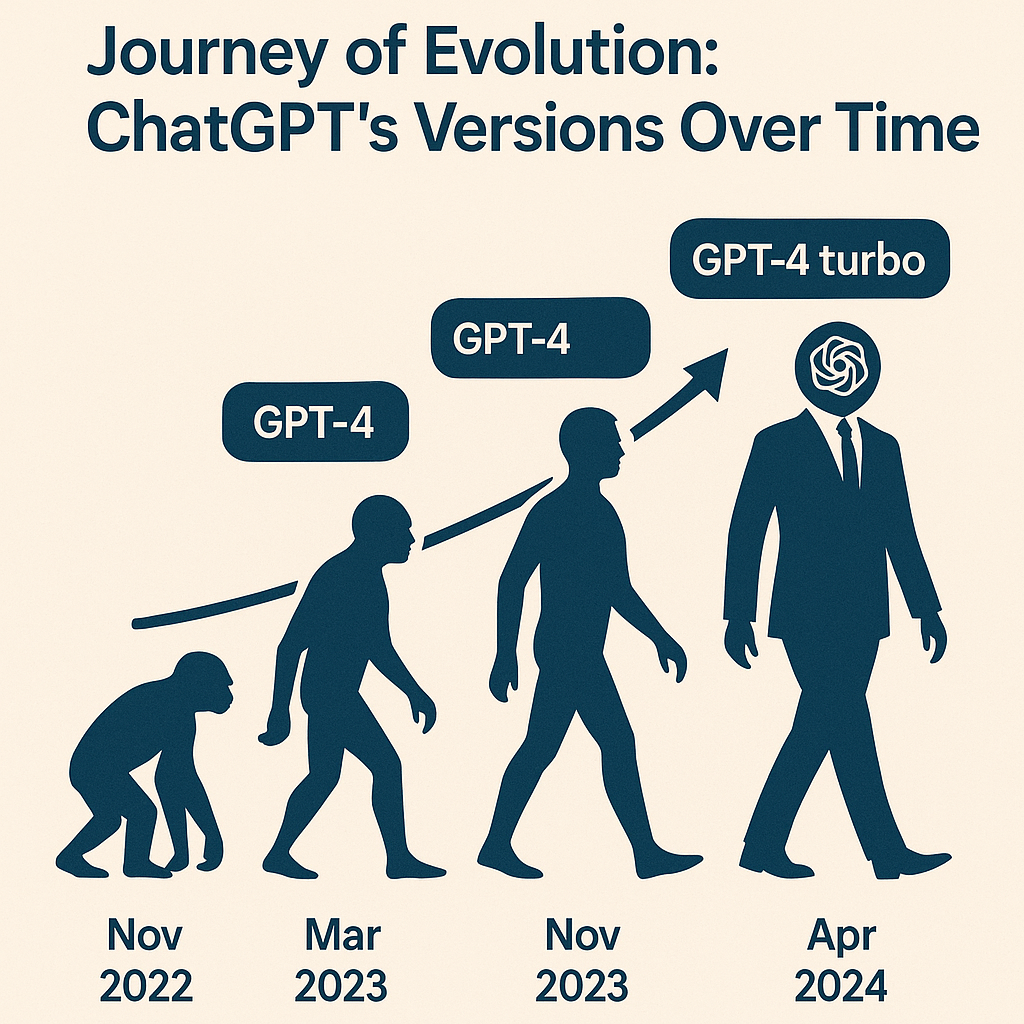
The evolution of ChatGPT, spanning from GPT-1 to the latest iterations, marks a fascinating chronicle of technological advancement in AI. Each version represents a significant leap forward, thanks to cumulative research and breakthroughs in deep learning.
Starting with GPT-1, this initial model laid the groundwork for what would become an impressive suite of conversational AI tools. While GPT-1 set the stage by introducing basic language modelling, subsequent versions rapidly built on this foundation. GPT-2 expanded capabilities substantially with more complex responses, albeit with certain limitations that were later addressed in newer versions.
GPT-3 propelled the technology’s capabilities, broadening its application scope significantly. With an unprecedented number of parameters, GPT-3 offered nuanced interaction and elevated the benchmark for AI understanding and output. This advancement allowed the model to handle more intricate tasks, displaying human-like understanding across topics.
More recent developments, such as GPT-4, have continued this trajectory by enhancing response accuracy and depth, tackling previous challenges, and offering even richer AI interactions. These improvements reflect the relentless pursuit of making AI indistinguishable from human interaction.
Tracking these key improvements and milestones is not just a journey through AI history but a roadmap for future exploration and innovation. Understanding these transformations equips tech enthusiasts and professionals with insights into harnessing these tools for customised applications.
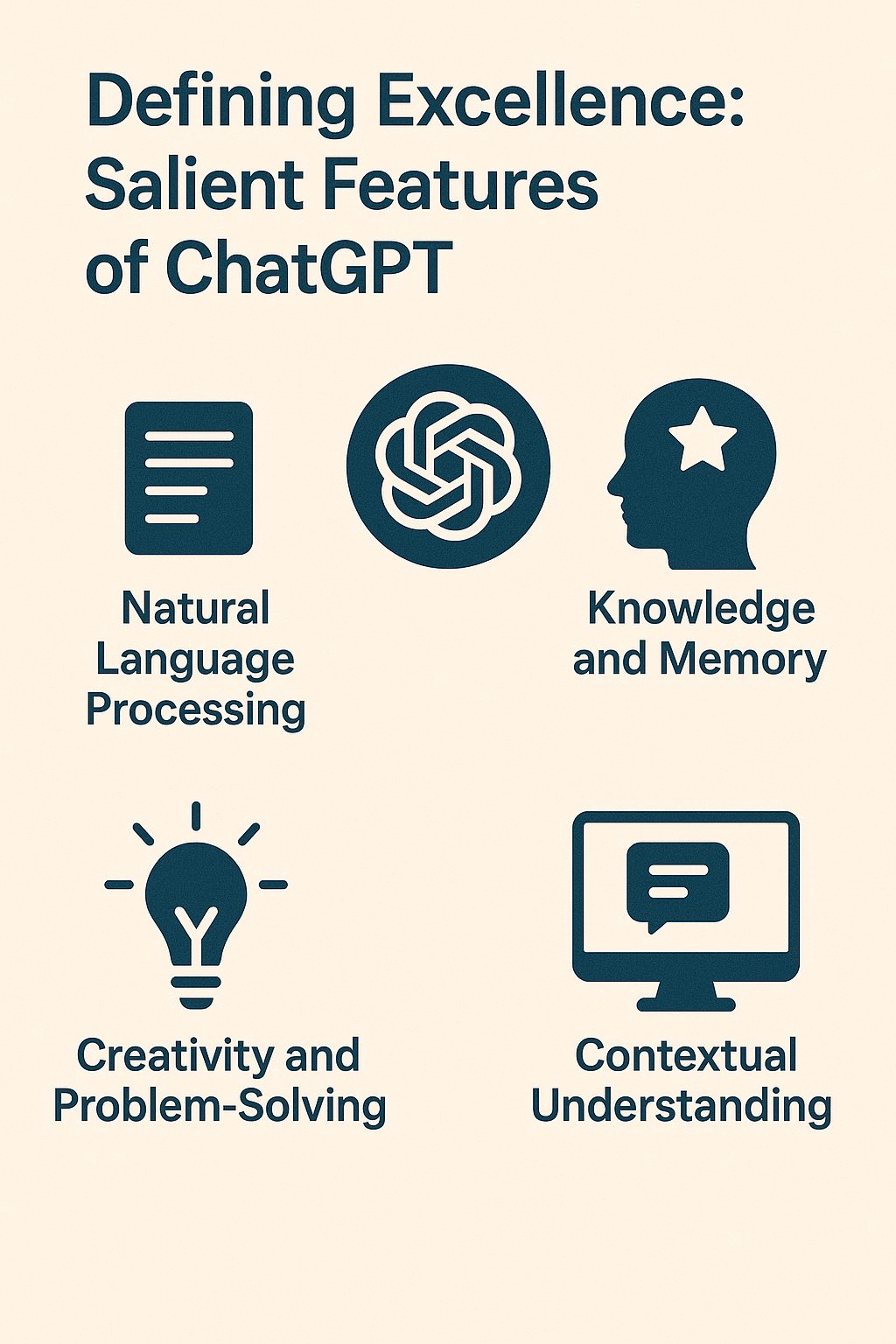
ChatGPT stands out with its remarkable conversational abilities, offering interactions that feel both engaging and personalised. Its design emphasises the flow of conversation, allowing users to feel truly understood, whether the discussion is straightforward or complex.
One of the standout features is its multilingual support. ChatGPT doesn’t limit itself to English; it embraces a wide array of languages, making it a versatile tool for global communication. This aspect enhances accessibility and facilitates cross-cultural dialogue, bringing diverse groups into the conversation.
Beyond simple chats, ChatGPT showcases its prowess in tasks like coding assistance, content summarisation, and information synthesis. These capabilities position it as more than just a chatbot—it’s a dynamic asset in varied professional settings. Whether helping developers troubleshoot code or aiding writers in generating ideas, ChatGPT excels at enhancing productivity.
With these features, users gain access to a tool that can transform daily operations. The blend of conversational agility, multilingual reach, and task-specific skills makes ChatGPT a multifaceted powerhouse suitable for multiple applications. Understanding its features allows users to leverage its full potential, turning envisioned projects into reality.
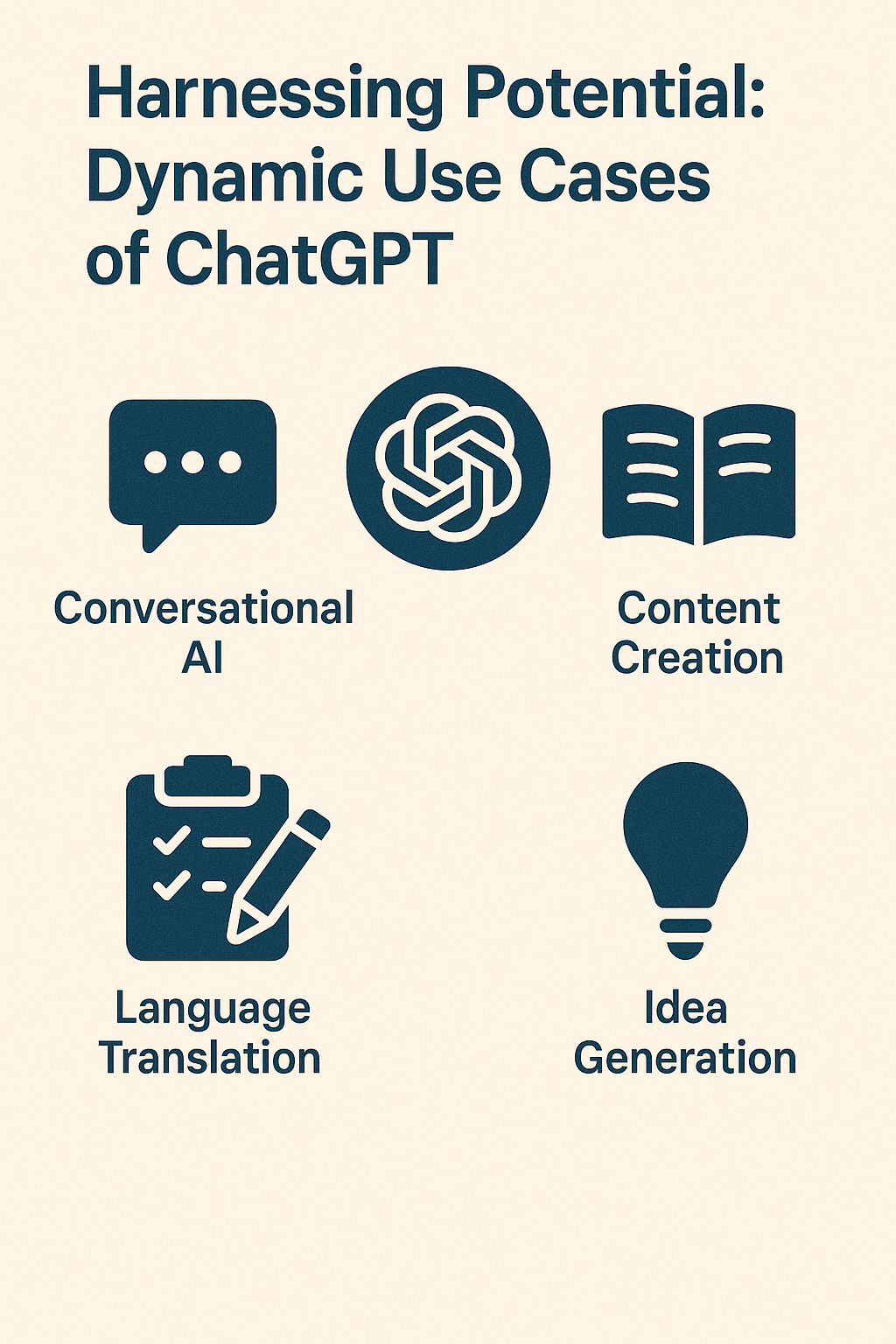
In the realm of education, ChatGPT acts as a versatile learning companion. It provides insightful explanations and can even assist in quizzing learners, making the educational process more interactive and engaging. It’s like having a personal tutor available any time of the day, ready to help enhance understanding and retention.
When it comes to customer support, ChatGPT revolutionises how businesses interact with their clients. It reduces response times significantly, transforming customer service experiences by providing instant resolutions and support, helping businesses maintain a competitive edge.
Creative fields also benefit hugely from ChatGPT’s capabilities. Whether it’s generating creative content or providing writing prompts, it serves as an invaluable resource for writers and content creators who need a spark of inspiration or help with writer’s block.
In the business arena, ChatGPT excels in streamlining workflows by automating routine tasks, thereby freeing up human resources for more strategic activities. This translates into tangible enhancements in productivity and efficiency, delivering value across various sectors.
Exploring these diverse applications demonstrates how ChatGPT can be a game-changer in multiple environments. Understanding its use cases empowers individuals and organisations to integrate this technology effectively, fostering innovation and improving operational outcomes.